
Shingles happens when the varicella-zoster virus (VZN), the virus that causes chickenpox, becomes active again after lying dormant in the body following a previous infection. This can cause a painful, blistering rash and, in some cases, long-lasting nerve pain called postherpetic neuralgia, which affects about one in three adults who get shingles. Vaccination is an important preventive measure in Singapore, helping the immune system keep the virus under control or reduce the severity of an outbreak.
How Shingles Develops and Progresses
After chickenpox, the varicella-zoster virus remains inactive in nerve cells and can reactivate later in life, often when immune function declines due to age, stress, or illness. Shingles typically starts with localised tingling or burning sensations, followed by a red, fluid-filled rash that appears in a band-like pattern along a single nerve pathway. These blisters generally crust over within several days, with complete healing of the rash taking a few weeks.
Complications That Vaccination May Help Prevent
Postherpetic neuralgia (PHN) is a common shingles complication. It causes persistent nerve pain that can last for months or even years after the rash heals. This happens when the virus affects the nerves during reactivation. The pain can be constant or intermittent, described as burning, stabbing, or electric-shock sensations. The skin in the affected area often becomes very sensitive, making even light touch from clothing uncomfortable.
Herpes zoster ophthalmicus (HZO) occurs when shingles affect the eye region. This can lead to changes in vision, corneal damage, or, in severe cases, permanent vision loss. Immediate evaluation by an eye specialist is required if this occurs.
Other complications include:
- Bacterial skin infections from scratched or open blisters
- Facial paralysis if the facial nerves are affected
- Hearing or balance problems when the ear is involved
- Inflammation of the brain (encephalitis) in very rare cases if the virus spreads to the central nervous system
Vaccine Options Available in Singapore
Two types of shingles vaccines are available in Singapore. For those considering shingles vaccination in Singapore, these vaccines differ in how they work, how they are given, and who they may be suitable for. A healthcare professional can advise on the most appropriate option based on individual health status and risk factors.
Zoster Vaccine Live (Live Attenuated Vaccine)
This vaccine uses a weakened form of the varicella-zoster virus and is administered as a single injection under the skin. It may not be suitable for certain groups, including pregnant individuals and those with weakened immune systems, as it contains a live virus. Suitability should be assessed by a healthcare professional.
Recombinant Zoster Vaccine (Non-live Vaccine)
This vaccine does not contain a live virus and is given as two injections into the muscle, usually spaced a few months apart. It works by helping the immune system respond to the virus. As it is non-live, it may be considered for a wider group of individuals, including those with weakened immune systems, based on individual health needs.
💡 Did You Know?
The recombinant shingles vaccine contains a component that helps stimulate the immune system. It supports immune cells in recognising the virus and building protection over time.
Who Should Consider Vaccination
Adults aged 50 and above are generally considered suitable candidates for shingles vaccination, as the risk increases with age due to natural changes in immune function. Vaccination may be considered regardless of whether you recall having chickenpox, as many adults carry the dormant varicella-zoster virus.
Adults below 50 may consider vaccination if they have certain risk factors, based on individual health needs and medical advice.
Groups who may consider vaccination include:
- Adults with chronic conditions such as diabetes, chronic kidney disease, or chronic obstructive pulmonary disease
- Individuals taking certain immunosuppressive medications, depending on the type and dosage
- People with a history of shingles, as vaccination may help reduce the risk of recurrence
- Those living with or caring for individuals with weakened immune systems
A healthcare professional can advise on suitability based on your health status and risk factors.
Timing Considerations for Vaccination
The timing of shingles vaccination can influence how well it works and how it fits with other medical care.
- Post-Infection Window: Vaccination is usually considered once shingles has cleared, typically several months after the rash and symptoms resolve.
- Before planned surgery: Vaccination may be scheduled a few weeks before planned surgery to allow the body time to respond.
- Immunosuppressive Treatment: Vaccination may be considered before starting treatments that affect the immune system. In some cases, timing can be adjusted based on individual health needs.
- White taking antiviral medication: Some antiviral medications may affect how certain vaccines work, particularly live vaccines. Timing may need to be adjusted if you are taking these medications.
⚠️ Important Note
If you are currently taking antiviral medications, it is advisable to speak with a healthcare professional about the right timing for vaccination, as these medications can affect how live vaccines work.
What to Expect During and After Vaccination
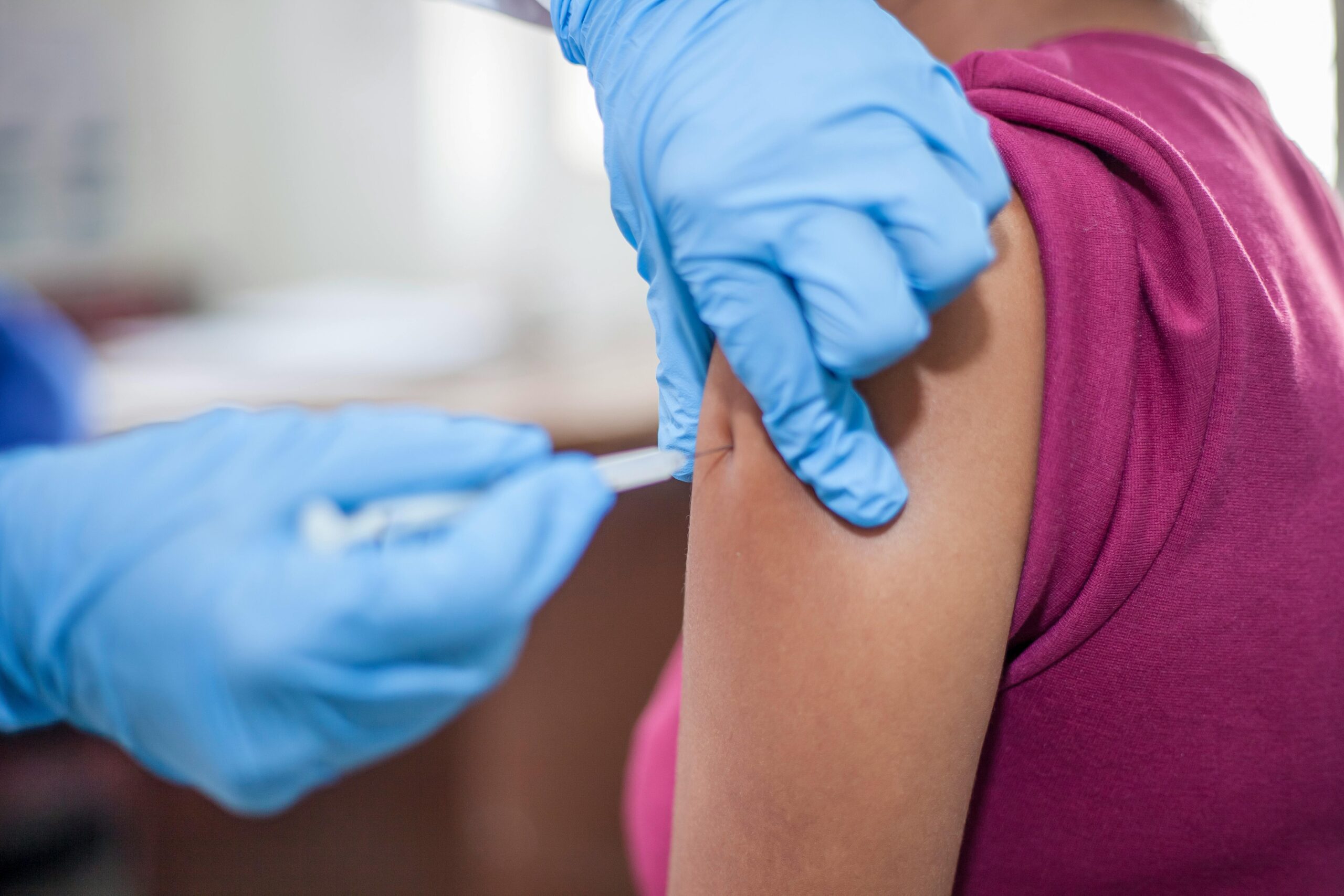
The vaccination process is straightforward. After reviewing your medical history and confirming suitability, a healthcare professional administers the vaccine either just under the skin or into the muscle, typically in the upper arm.
Common reactions that may occur include:
- Injection site soreness, redness, or swelling lasting a few days
- Muscle aches and fatigue
- Mild headache
- Low-grade fever
The recombinant vaccine tends to produce more noticeable reactions due to its adjuvant system. Taking pain relief after vaccination can help manage discomfort. Reactions usually resolve within a few days and indicate that the immune system is responding.
If you are receiving the recombinant vaccine, scheduling the second dose within the recommended timeframe helps provide full protection. Setting a calendar reminder helps ensure the series is completed.
Common Misconceptions About Shingles Vaccination
I have already had shingles, so I am immune
It is possible to get shingles again. The virus remains dormant in the body and can reactivate later. Receiving the vaccine after recovery may help lower the chance of another shingles outbreak.
I never had chickenpox, so I do not need this vaccine
Many adults do not remember chickenpox, especially if the infection was mild. Blood tests can determine past exposure, but most adults carry the dormant virus. Even adults who received the chickenpox vaccine may still carry the vaccine-strain virus, which can reactivate as shingles, although this is less common.
Shingles is not serious enough to require vaccination
While many shingles cases resolve without complications, the acute illness causes significant pain and disruption. The risk of postherpetic neuralgia increases with age, and once it develops, PHN can be difficult to manage.
The vaccine might give me shingles
The live attenuated vaccine contains a weakened virus that is generally unable to cause shingles in healthy individuals with normal immune function. The recombinant vaccine contains no live virus and therefore does not cause shingles.
Putting This Into Practice
- Review your medical history: Note any immune-affecting conditions or medications to discuss with your healthcare provider
- Check your vaccination records: Ensure you have not recently received other live vaccines if you are considering the live shingles vaccine, as spacing requirements apply.
- Plan for mild side effects: Consider scheduling your vaccination when you can rest the following day if needed
- Set reminders: If you are receiving the recombinant vaccine, schedule your second dose appointment within the recommended window
When to Seek Professional Help
- Burning, tingling, or numbness in a localised area, particularly on one side of your body
- A new rash appearing in a band-like pattern
- Blisters near your eye or on the face
- Pain that disrupts daily activities or sleep
- Signs of skin infection around a healing rash, such as increasing redness, warmth, or pus
- Persistent pain in an area where you previously had shingles
Commonly Asked Questions
Can I receive the shingles vaccine at the same time as other vaccines?
The recombinant vaccine can be administered simultaneously with influenza and pneumococcal vaccines at different injection sites. The live vaccine requires specific spacing from other live vaccines. Your healthcare provider can advise whether this is suitable for your individual vaccination needs.
How long does protection from the shingles vaccine last?
The recombinant vaccine maintains protection for many years, with studies showing sustained immunity. Protection from the live vaccine tends to decline more quickly. Current guidelines do not recommend routine booster doses, although recommendations may be updated as more long-term data become available.
Is the shingles vaccine safe during pregnancy?
The live vaccine is generally not recommended during pregnancy because it contains a live virus. Women of childbearing age are usually advised to avoid pregnancy for a specified period after receiving the live vaccine. Your healthcare provider can give personalised guidance based on your situation.
What if I can’t remember whether I had chickenpox?
Many adults in Singapore born before routine chickenpox vaccination was introduced have likely been exposed to the virus. If uncertain, a blood test can detect antibodies indicating prior infection. For eligible adults, vaccination is often recommended regardless, given the high likelihood of previous exposure.
Next Steps
Adults aged 50 and above, especially those with chronic conditions, are the main candidates for shingles vaccination. In Singapore, two options are available: a single-dose live attenuated vaccine and a two-dose recombinant vaccine, which is suitable for individuals with weakened immune systems.
If you notice symptoms such as localised burning, tingling, or a new rash appearing on one side of your body, seek evaluation from a healthcare professional to discuss appropriate vaccination and management options.